
Introduction
The Ayurvedic market in India is growing steadily. In 2025, its market size reached around $19.29 billion, and it is expected to grow at nearly 19% every year till 2030, as reported by Mordor Intelligence. This growth looks attractive, but there is another side that many people ignore. Every year, thousands of Ayurvedic brands enter the market through third-party manufacturing, but only a few remain profitable in the long run.
Ayurvedic third-party manufacturing can be profitable in 2026, but only for businesses that clearly understand the full cost picture, realistic growth needs, and legal rules involved. Brands that ignore these factors often end up with unsold stock and falling profit margins.
This article explains the financial and day-to-day business side of third-party manufacturing, based on more than 30 years of manufacturing experience. It focuses on where profits are really made, which costs are often missed, and why basic business planning matters more than product formula alone.
Many brands choose established ayurvedic third-party manufacturing companies like Sage Herbals for their years of experience and GMP-certified facilities.
What Third-Party Ayurvedic Manufacturing Actually Means in 2026?
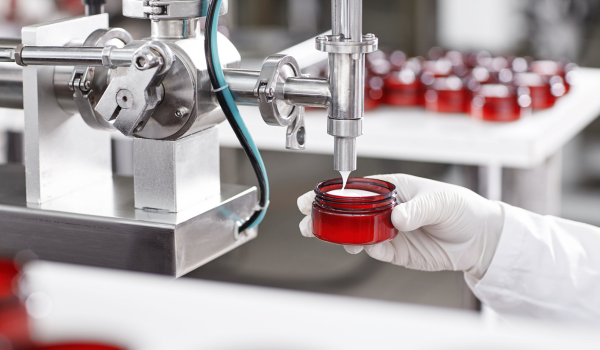
Third-party manufacturing, also known as contract manufacturing, is a setup in which the brand owner handles branding, product formulation, and sales. In contrast, a licensed manufacturer handles production, quality testing, and legal compliance.
This model is often shown as an easy way to enter the Ayurvedic industry. In reality, the responsibility does not reduce for the brand owner. Brand owners are still fully responsible for market placement, distribution planning, stock movement, and getting customers. The manufacturer manages factory operations, batch production, AYUSH licensing, and compliance under Schedule T of the Drugs and Cosmetics Rules.
The biggest advantage of this model is that it saves the time and money needed to set up a manufacturing unit. However, it also creates dependency. The brand depends on the manufacturer for production timelines, batch quality consistency, and the ability to scale when demand increases.
In third-party manufacturing of ayurvedic products, long-term success depends on choosing a manufacturer who follows GMP standards and keeps per-unit costs practical enough to match real market pricing.
Is Ayurvedic Third-Party Manufacturing Profitable in 2026?
Profitability depends on three main factors: product category, order volume, and distribution strength.
For brands that start with small production runs of 500 to 1,000 units, profit margins usually range from 10% to 18% after including manufacturing, compliance, and packaging costs. At this stage, brands have very little control over pricing, and even small operational mistakes can quickly affect cash flow.
When production increases to the 5,000-10,000 unit range, margins generally improve to around 20-30%. Brands at this level often have proven demand, better-negotiated manufacturing prices, and improved control over stock planning.
Once volumes exceed 20,000 units per SKU, profit margins in ayurvedic third-party manufacturing can exceed 35%. Reaching this stage requires stronger working capital, reliable distribution channels, and steady sales movement.
Although profit potential is real, it depends heavily on accurate planning. Brands usually face losses when they underestimate costs, overestimate demand, or work with manufacturing partners who fail to maintain consistent quality.
Cost Breakdown You Cannot Ignore
Manufacturing & Raw Material Costs
Before calculating profits, it is important to understand the real costs in third-party ayurvedic manufacturing, especially at the manufacturing and raw-material levels.
| Aspect | Explanation |
| Manufacturing cost range | Manufacturing costs depend on how complex the formulation is. Single-herb powders usually cost around ₹40 to ₹80 per unit, while multi-ingredient products made with standardized extracts can cost between ₹200 and ₹500 per unit. |
| Raw material quality | Raw material quality directly affects how well the product works and whether customers buy it again. Very low prices often mean poor herb sourcing or weak extraction methods, which later reduce shelf life and customer trust. |
| Additional manufacturing costs | The cost of third-party ayurvedic manufacturing also includes formulation wastage, usually between 3% and 7%, along with excipients and batch documentation. These costs must be added before deciding the final retail price. |
Compliance, Testing & Documentation Costs
Compliance-related costs are often ignored during early planning. Every production batch requires a Certificate of Analysis, which includes lab tests for heavy metals, microbial contamination, and active ingredient checks. These tests usually cost between ₹5,000 and ₹15,000 per batch.
Stability testing is required to confirm product shelf life and normally costs between ₹25,000 and ₹80,000 per SKU. GMP certification costs for manufacturers range from ₹50,000 to ₹5 lakh, as according to Factocert. These costs are not separate and are usually added to the overall manufacturing price.
AYUSH licensing fees are ₹2,000 for generic products and ₹3,000 for up to 10 proprietary formulations, according to Register Karo. While manufacturers handle the licensing process, brands should still verify compliance status independently.
Manufacturers offering very low prices often cut corners by reducing testing checks or using old certifications. When audits occur or quality issues arise, the impact falls directly on the brand, not the manufacturer.
This is why many brands prefer ayurvedic third-party manufacturers in India, such as Sage Herbals, known for transparent testing and full access to documentation.
Packaging, MOQ & Cash Lock-In
Packaging involves more than just bottles and labels. It also includes cartons, printing plates, safety seals, and required information inserts. For many Ayurvedic supplements, packaging usually makes up 15% to 25% of the total product cost.
Minimum Order Quantities can put pressure on early cash flow, especially during product launch. Most manufacturers ask for 3,000 to 10,000 units per SKU. When brands launch multiple variants together, it can lead to ₹5 lakh to ₹15 lakh being invested in inventory even before sales start.
Custom packaging adds to the initial investment but also helps in building brand identity. Bottle molds and special printing plates may need ₹30,000 to ₹1.5 lakh in advance. While this cost is non-recoverable, it supports long-term branding and consistency.
Inventory movement often takes more time than expected, especially in the early stages. When products take longer to sell, storage costs increase, and working capital stays locked. With proper demand planning and phased launches, this risk can be managed more effectively.
Third-Party Manufacturing vs Own Factory
Choosing between third-party manufacturing and an own factory depends on budget, control, and long-term growth plans.
| Aspect | Third-Party Manufacturing | Own Manufacturing Factory |
| Initial Investment | Low upfront investment, as brands pay only for production | High capital required, usually between ₹2 crore to ₹10 crore depending on scale and automation |
| Setup Time | Quick to start, as infrastructure is already available | Long setup period, with commercial production starting after 18 to 24 months |
| Breakeven Period | Breakeven is possible within 6 to 18 months if sales are steady | Breakeven usually takes 3 to 5 years due to fixed costs |
| Operating Costs | Pay-as-you-produce model helps manage expenses | Fixed costs continue even when production volume is low |
| Flexibility | Easy to test multiple products without long-term commitment | Less flexible once infrastructure is set up |
| Control Level | Limited control over production timelines and batch scheduling | Full control over formulation changes, batch planning, and quality systems |
| Risk Level | Lower financial risk during early stages | Higher financial risk due to heavy capital investment |
| Best Suited For | Brands still testing product-market fit and market demand | Brands with stable demand and high, consistent volumes |
| Scalability Point | Depends on the manufacturer’s capacity and timelines | Becomes financially viable when volumes cross 50,000 units per month |
How to Choose the Right Ayurvedic Third-Party Manufacturing Company?
Finding reliable ayurvedic third-party manufacturers in India needs proper evaluation, not just basic online research. A careful approach helps brands avoid long-term issues and build stable manufacturing partnerships. Warning signs should never be ignored, such as outdated GMP certificates, refusal of plant visits, lack of client references, or pricing that is far below market rates without explanation.
Key evaluation points include a valid AYUSH license, Schedule T GMP compliance, proper batch production records, transparent quotations, access to testing labs, and clear terms for formulation confidentiality. During discussions, brands should ask practical questions about sourcing practices, production timelines, and past client experience. Clear processes matter more than sales talk when selecting an ayurvedic third-party manufacturing company.
Why Brands Trust Sage Herbals as a Manufacturing Partner?
At Sage Herbals, we work with brands that value compliance, clarity, and long-term growth. Since 1990, we have supported ayurvedic third-party manufacturing through GMP-certified facilities with a clear focus on documentation, process control, and consistent quality. Our capabilities cover formulation development, lab testing, and customized packaging, allowing brands to move from idea to market with confidence. Whether working with startups or scaling businesses, we bring structured manufacturing support that helps brands build reliable and compliant ayurvedic product lines.
If you are planning to start or scale through ayurvedic third-party manufacturing, explore how Sage Herbals supports brands with compliant and well-structured manufacturing solutions. Connect with us to take the next step with clarity and confidence.
Frequently Asked Questions
1. Is ayurvedic third-party manufacturing profitable in 2026?
Yes, ayurvedic third-party manufacturing becomes profitable in 2026 when brands manage costs correctly, plan realistic order volumes, and choose reliable manufacturing partners.
2. How do I choose the right ayurvedic third-party manufacturing company in India?
Choosing the right ayurvedic third-party manufacturing company in India depends on GMP compliance, AYUSH licensing, documentation clarity, and testing practices. Experienced manufacturers like Sage Herbals support brands with structured processes, transparent compliance, and end-to-end manufacturing capabilities.
3. What is the difference between third-party manufacturing and owning an Ayurvedic factory?
Third-party manufacturing of ayurvedic products allows brands to launch faster with lower investment, while owning a factory requires high capital and a longer setup time. Third-party manufacturing ayurvedic product models work best for brands testing demand, whereas their own factories suit businesses with stable, high-volume sales.
4. Which brands benefit most from ayurvedic medicine third-party manufacturing?
For brands exploring whether ayurvedic third-party manufacturing profitable models suit their goals, this approach works best for startups, D2C brands, and businesses expanding product lines without investing in manufacturing infrastructure. Companies like Sage Herbals support such brands with GMP-certified production, formulation support, and compliance-focused manufacturing, helping them scale in a structured and responsible way.
Final Thoughts
Third-party ayurvedic manufacturing can be profitable in 2026 for brands that move forward with realistic planning, enough working capital, and a clear focus on product quality.
Market growth by itself does not guarantee success. Real profitability comes from understanding cost structures, choosing manufacturing partners carefully, and setting up strong distribution systems before investing heavily in inventory.
Brands that follow this path benefit from clear financial planning, phased production orders, and manufacturers with reliable compliance records. The opportunity is real, but long-term results depend on disciplined execution from the very beginning.
Please subscribe to our social channels for updates related to Ayurvedic skincare, research-based herbs, and wellness tips.
Instagram: Sage Herbals
Facebook: Sage Herbals
YouTube: Sage Herbals
LinkedIn: Sage Herbals Pvt.Ltd.
Leave a Reply
You must be logged in to post a comment.